How Computer Numerical Control Revolutionizes Wire Forming Processes
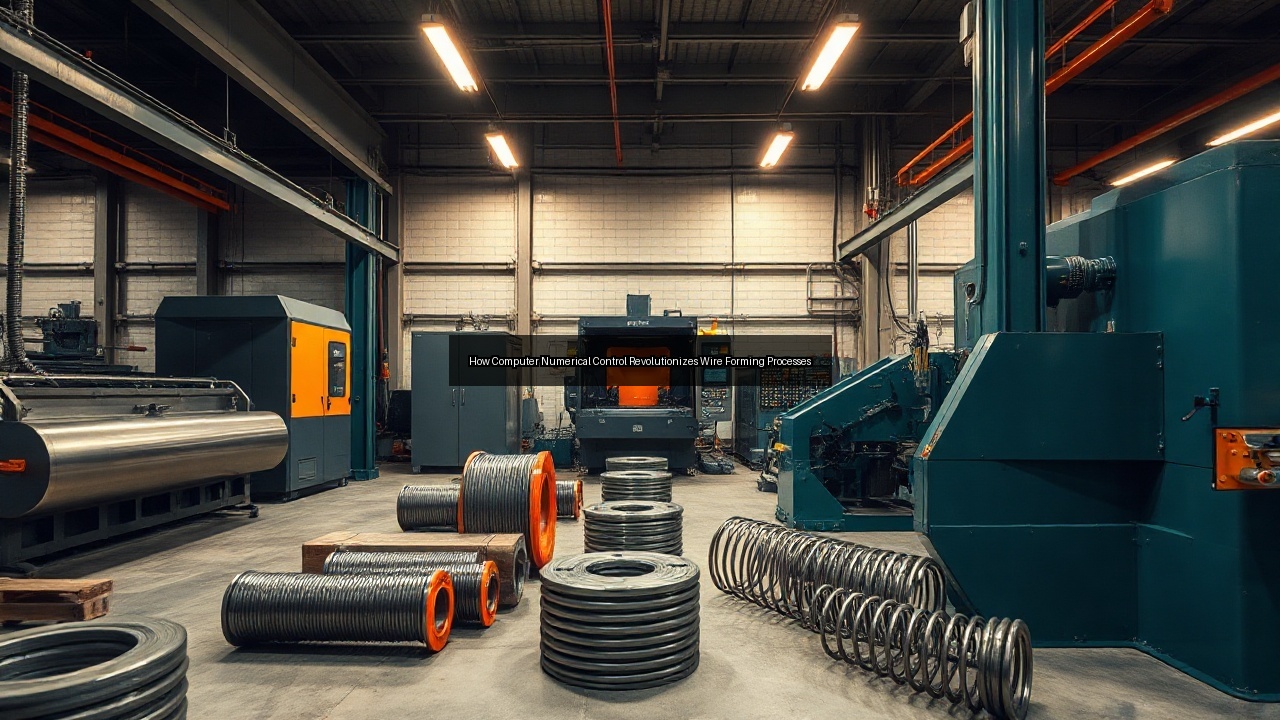
The Evolution of Wire Forming Processes
Historical Overview of Wire Forming
Wire forming dates back centuries when artisans manually bent and shaped wires into basic tools and fasteners using simple hand tools. Early methods relied on drawing wires through dies to achieve consistent diameters from raw steel or other metals. These manual techniques produced functional wire forms but lacked repeatability for complex shapes. Over time, wire forming evolved with the introduction of mechanical presses that allowed faster production of coil springs and threaded components. Historical records show that wire forming supported early industrial growth by supplying parts for machinery and construction. The process emphasized material properties like ductility in steel to prevent breakage during bending and extrusion steps.
Traditional vs. Modern Methods
Traditional wire forming depended on skilled operators who adjusted machines by hand to create formed wire parts. This approach often resulted in variations in tolerances and slower output rates for intricate wire shapes. Modern methods replace much of that labor with automated systems that handle drawing, coiling, and threading in one sequence. Operators now feed specifications into controls rather than relying solely on physical adjustments. The shift improves consistency across batches of stainless steel wires and reduces waste during extrusion. Modern wire forming services deliver higher volumes while maintaining precise diameters that traditional handcrafting could not sustain reliably.
Impact of Technology on Wire Forming
Technology transformed wire forming by introducing programmable controls that execute exact movements on machines. This advancement allows rapid prototyping of wire forms for testing before full production runs. Engineers gain detailed information on stress points in coil springs through simulation software integrated with equipment. Technology also expands material options, enabling clean processing of both steel and stainless steel without surface damage. Overall, these changes shorten lead times for wire forming parts and support custom wire shaping techniques that meet tight engineering requirements across industries.
Understanding Computer Numerical Control (CNC)
What is CNC and How Does it Work?
Computer numerical control directs machine actions through coded instructions that translate design data into precise movements. In wire forming, the system positions tools to bend, cut, and thread wires according to programmed paths. Operators load material into the machine, which then follows sequences for diameter control and coil formation without constant manual input. The process starts with digital drawings that define every angle and length. Computer numerical control monitors feedback from sensors to correct deviations in real time, ensuring formed wire matches specifications exactly during each cycle.
Advantages of CNC in Wire Forming
CNC delivers repeatable accuracy that manual wire forming methods struggle to match, especially for complex wire forms. It reduces setup time between jobs, allowing quick switches from one set of coil springs to another. Operators achieve tighter tolerances on stainless steel parts while minimizing scrap from extrusion errors. The technology supports high-volume production of wire forming parts without sacrificing quality. CNC also stores programs for future use, providing consistent results across multiple runs of the same wire shape or threading pattern.
CNC Machines: Types and Applications
Wire forming machines equipped with computer numerical control range from single-axis benders to multi-head systems that handle simultaneous operations like coiling and cutting. These machines process steel wires into aerospace brackets or medical components with equal precision. Applications include creating custom diameters for specialized coil springs and prototyping new wire forms before scaling. Some CNC units integrate extrusion heads for continuous wire production, while others focus on threading for fasteners. The versatility covers everything from simple bends to intricate wire shapes demanded by modern engineering projects.
Precision and Tolerances in Wire Forming
Significance of Tolerances in Engineering
Tolerances define the acceptable range for dimensions in wire forming parts, directly affecting fit and function in assemblies. In engineering applications, even small deviations in wire diameter can cause failures in load-bearing coil springs. Precise tolerances ensure that formed wire components slide, lock, or flex as intended without excessive play or binding. Manufacturers document these limits to maintain quality across batches of steel and stainless steel products. Meeting tolerances reduces rework and supports reliable performance in critical systems where wire forms experience repeated stress.
Achieving Precision with CNC Technology
CNC technology achieves precision in wire forming by executing movements accurate to fractions of a millimeter. Machines follow programmed paths that control bend angles and extrusion lengths while monitoring wire diameter in real time. This capability produces consistent tolerances on stainless steel wires that manual methods rarely maintain. Operators verify output with gauges and adjust parameters instantly when needed. The result is wire forms that meet demanding specifications for threading and coiling without secondary corrections, streamlining the entire wire forming process.
Material Considerations: Steel vs. Stainless Steel
Steel offers strength and lower cost for many wire forming applications but requires coatings to resist corrosion in harsh environments. Stainless steel provides superior resistance to rust while maintaining ductility for tight bends and coil springs. Both materials demand careful diameter selection to avoid cracking during extrusion or threading. CNC machines handle either metal with adjusted feed rates and tooling to preserve surface finish. Engineers choose based on load requirements and exposure conditions, ensuring the final wire shapes deliver expected durability and performance.
Applications of Wire Forming in Various Industries
Wire Forming in Aerospace Engineering
Aerospace engineering relies on wire forming to produce lightweight yet strong components such as brackets, guards, and structural supports. CNC machines create precise wire forms from stainless steel that withstand extreme temperatures and vibrations. These parts often feature exact diameters and threading for secure assembly in aircraft systems. Prototyping allows rapid iteration of designs before certification. The process supports tight tolerances essential for safety-critical applications where any deviation in coil springs or formed wire could compromise performance.
Prototyping Wire Forms for Diverse Applications
Prototyping accelerates development of wire forms by letting engineers test shapes and diameters before committing to production tooling. CNC equipment quickly produces sample parts from steel or stainless steel for fit checks and functional trials. This step reveals issues with threading, coiling, or extrusion early, saving time and materials. Industries from automotive to consumer goods use prototypes to validate wire forming processes. The approach delivers actionable information that refines final designs and ensures the manufactured wire shapes meet all performance criteria.
Coil Springs and Their Importance in Manufacturing
Coil springs serve as essential components in countless machines, absorbing shocks and maintaining tension in assemblies. Wire forming processes create these springs with consistent diameters and pitch through controlled coiling on CNC equipment. Manufacturers select steel or stainless steel based on required strength and corrosion resistance. Precise tolerances in the wire ensure reliable force output across cycles. Coil springs produced this way support everything from automotive suspensions to industrial valves, highlighting their central role in modern manufacturing operations.
The Future of Wire Forming Technologies
Emerging Trends in Wire Forming
Emerging trends in wire forming include multi-axis CNC systems that produce more complex wire shapes in fewer steps. Advances in tooling allow simultaneous threading and extrusion on a single machine, boosting efficiency. New alloys expand options for high-strength, lightweight wire forms suited to electric vehicles and robotics. These developments reduce cycle times while improving surface quality on stainless steel parts. Manufacturers adopt these trends to stay competitive in supplying precision wire forming services across global markets.
The Role of Automation and AI
Automation paired with AI optimizes wire forming by predicting tool wear and adjusting parameters without operator intervention. AI analyzes production data to refine tolerances on coil springs and detect anomalies in wire diameter during runs. This integration increases uptime on CNC machines and minimizes defects in formed wire. Automated material handling further streamlines the process from raw steel input to finished threaded components. The combination delivers consistent quality and supports lights-out manufacturing for high-volume wire forming demands.
Sustainability in Wire Forming Processes
Sustainability efforts in wire forming focus on reducing scrap through optimized nesting of wire shapes and recycling of steel and stainless steel remnants. CNC programming minimizes waste during extrusion and coiling while extending tool life. Energy-efficient machines lower power consumption across production cycles. Manufacturers also explore biodegradable lubricants for threading operations. These practices cut environmental impact without compromising the precision or strength of final wire forms, aligning the industry with broader resource conservation goals.
See Also
- Mastering Wire Forming Techniques for Precision Engineering Projects
- From Prototyping to Production Exploring Wire Forming Capabilities
- Innovative Wire Shapes and Their Applications in Modern Manufacturing
- The Role of Stainless Steel in Advanced Wire Forming Solutions
- Creating Custom Coil Springs Through Expert Wire Forming Methods