Navigating the Steel Distribution Landscape in the Oil and Gas Industry
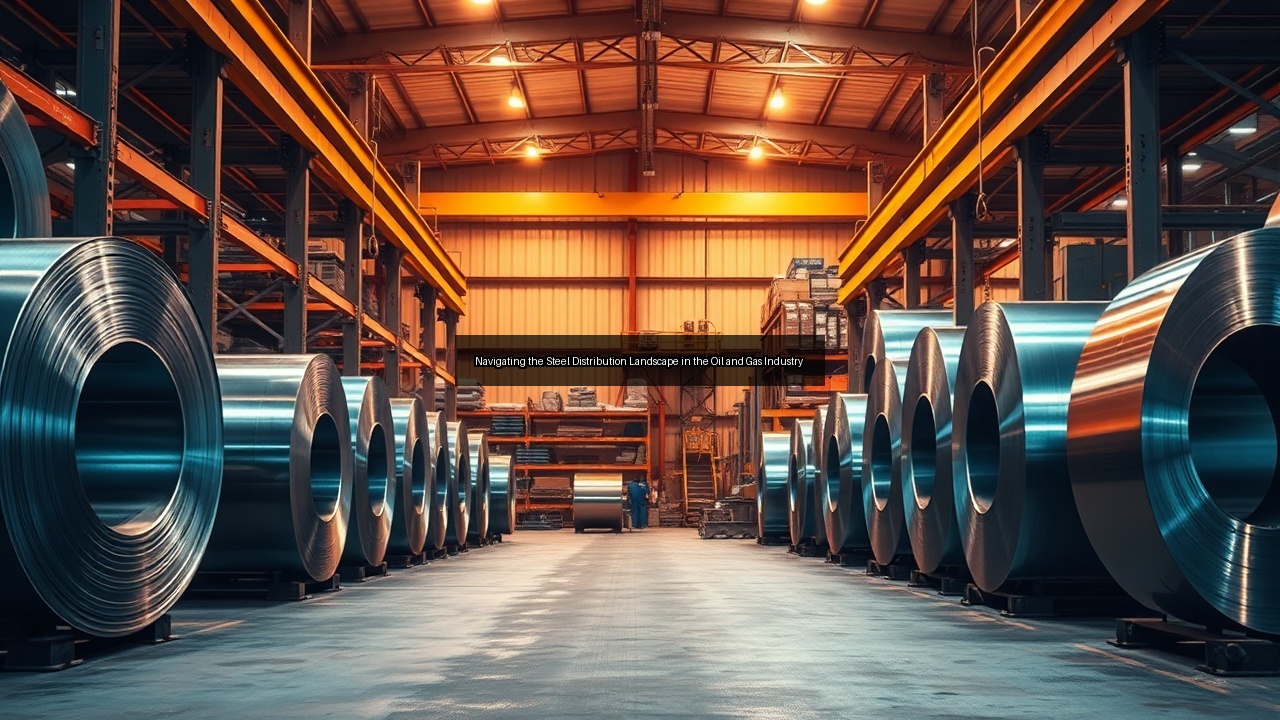
Understanding the Steel Distribution Landscape
Key Players in Steel Distribution
The steel distribution landscape features a variety of key players, including manufacturers, distributors, and fabricators. Manufacturers produce raw steel, which then moves to distributors who manage inventory and supply to various industries, including oil and gas. Major steel distribution companies often have extensive networks, allowing them to source materials efficiently and meet the needs of their clients. These distributors play a pivotal role in ensuring timely delivery, maintaining quality standards, and offering a range of products suited for different applications. Moreover, relationships with suppliers and end-users significantly influence their operations. Understanding these dynamics is crucial for anyone navigating the steel distribution sector.
Role of Steel Distributors in Oil and Gas
Steel distributors serve as essential links in the oil and gas supply chain. Their role extends beyond simple transactions; they provide critical support in sourcing high-quality steel products that meet the rigorous standards of the industry. Oil and gas operations require specific types of steel, including stainless steel and alloy steel, known for their durability and resistance to corrosion. Distributors ensure that these materials are available in various forms, such as sheet, bar stock, and steel coil, to accommodate different applications. Additionally, they offer technical expertise, helping clients select the right materials for their specific needs, thus enhancing operational efficiency and safety in the field.
Types of Steel Used in the Industry
The oil and gas industry utilizes several types of steel, each selected for specific characteristics and applications. Stainless steel, known for its excellent corrosion resistance, is crucial for pipelines and storage tanks exposed to harsh environments. Alloy steel, combining iron with various elements like chromium and nickel, enhances strength and toughness, making it ideal for high-pressure applications. Carbon steel, widely used due to its cost-effectiveness and mechanical properties, supports a range of structural applications. Galvanized steel, coated with zinc for additional protection against rust, is often employed in environmental control systems. Understanding these materials helps stakeholders make informed decisions about their steel supply needs.
Types of Steel and Their Applications
Stainless Steel in Oil and Gas
Stainless steel stands out as a critical material in the oil and gas industry, primarily due to its resistance to corrosion and high durability. The harsh environments in which oil and gas operations occur necessitate materials that can withstand extreme conditions, including high pressure and exposure to corrosive substances. Stainless steel finds applications in pipelines, wellhead equipment, and processing facilities. Its ability to maintain strength at elevated temperatures makes it suitable for offshore platforms and refineries. Additionally, stainless steel’s longevity reduces maintenance costs, ultimately enhancing operational efficiency. As companies prioritize sustainability, using durable materials like stainless steel aligns with environmental goals by minimizing waste and resource consumption.
Alloy Steel: Benefits and Uses
Alloy steel offers a blend of desirable properties that make it indispensable in the oil and gas sector. By adding elements like nickel, chromium, and molybdenum to iron, alloy steel achieves enhanced strength, toughness, and wear resistance. These attributes enable it to perform well under extreme stress and temperature conditions, making it suitable for high-pressure pipelines and drilling equipment. Companies often choose alloy steel for its ability to withstand fatigue and its overall reliability, which are critical for maintaining safety in oil extraction and transportation. As technology evolves, innovations in alloy compositions continue to enhance performance, ensuring that oil and gas operations remain efficient and safe.
Carbon Steel vs. Galvanized Steel
Carbon steel and galvanized steel serve distinct purposes in the oil and gas industry, each with unique advantages. Carbon steel, consisting primarily of iron and carbon, is favored for its strength and affordability. It is widely used in structural applications, including beams and supports, while also catering to pipeline construction. However, carbon steel is prone to rust if not properly coated. This is where galvanized steel comes into play; by applying a zinc coating, galvanized steel resists corrosion, making it suitable for outdoor applications like scaffolding and support structures. Understanding the differences between these two types of steel enables companies to choose the right materials for specific environmental conditions and project requirements.
Innovations in Steel Distribution Techniques
Waterjet Cutting: A Game Changer
Waterjet cutting technology revolutionizes how steel is processed and distributed in the oil and gas sector. This method utilizes high-pressure water, often mixed with abrasives, to cut through various materials, including stainless steel and alloy steel, with precision. The advantages of waterjet cutting include minimal thermal distortion, allowing for intricate designs and reduced waste. This process enhances productivity and accuracy in fabricating parts for machinery and equipment, which is critical in the fast-paced oil and gas industry. As companies seek efficiency and precision in their supply chains, waterjet cutting stands out as a favored solution, streamlining operations and reducing lead times.
The Rise of Cold Rolled Steel and Steel Coils
Cold rolled steel has gained popularity in the oil and gas industry due to its enhanced mechanical properties and surface finish. This process involves rolling steel at room temperature, resulting in a smoother surface and tighter tolerances. Cold rolled steel is ideal for applications requiring precision, such as automotive components and structural elements in construction. Steel coils, often produced through cold rolling, offer flexibility in manufacturing and ease of transportation. As demand for high-quality steel products grows, cold rolled steel and steel coils become essential in meeting the industry's evolving needs, ensuring that companies can deliver reliable and robust solutions.
Fabrication Processes for Construction and Automotive
Fabrication processes play a critical role in shaping steel products for the oil and gas sector, particularly in construction and automotive applications. Techniques such as welding, machining, and forming transform raw steel into components that meet specific design requirements. In construction, steel fabrication ensures that structural elements, such as beams and columns, provide the necessary strength and stability for infrastructure projects. In the automotive industry, precision fabrication of steel parts contributes to vehicle safety and performance. As technology advances, automation and computer-aided design (CAD) enhance fabrication methods, resulting in higher efficiency and improved quality control throughout the steel distribution process.
Navigating the Challenges of Steel Supply
Identifying Reliable Steel Suppliers
Finding reliable steel suppliers is paramount in the oil and gas industry, where project timelines and safety depend on consistent material quality. Companies must evaluate potential suppliers based on their track record, product range, and ability to meet industry standards. Building relationships with trusted distributors ensures access to high-quality steel, timely deliveries, and responsive customer service. Additionally, engaging with suppliers who understand the unique demands of the oil and gas sector can lead to valuable insights into material selection and best practices. As the industry evolves, maintaining strong partnerships with steel suppliers fosters resilience and adaptability in an increasingly competitive market.
Regional Considerations: Focus on California
California serves as a significant hub for steel distribution, particularly in the oil and gas sector. The state’s regulatory environment, diverse geography, and proximity to major markets influence the dynamics of steel supply. Companies operating in California must navigate strict environmental regulations while ensuring compliance with safety standards. This regional focus impacts the types of steel products that are in demand, such as environmentally friendly options like galvanized steel. Furthermore, the state's extensive infrastructure and transportation networks facilitate efficient distribution, enabling companies to access necessary materials swiftly. Understanding California’s unique landscape is essential for any organization aiming to thrive in the steel distribution sector.
Future Trends in Steel Distribution for Aerospace and More
The steel distribution landscape continues to evolve, driven by technological advancements and changing industry demands. Emerging trends include increased automation in inventory management and the use of data analytics to optimize supply chains. As aerospace and other sectors increasingly require lightweight and high-strength materials, the demand for specialized steel products will likely grow. Companies must adapt by offering innovative solutions, such as advanced alloys and composite materials, to cater to these new markets. Embracing sustainability through recycling and eco-friendly practices will also shape the future of steel distribution, ensuring that industries can meet their operational needs while minimizing environmental impact.
See Also
- Innovations in Metal Distribution and Their Effects on the Industry
- How Steel Distributors Can Enhance Supply Chain Efficiency
- Steel Distribution Strategies for Successful Construction Projects
- Understanding Steel Coils and Their Importance in Distribution
- Understanding the Role of Bar Stock in Steel Distribution