A Comprehensive Guide to Custom Plastic Injection Molding Services
Understanding Plastic Injection Molding Services
What is Plastic Injection Molding?
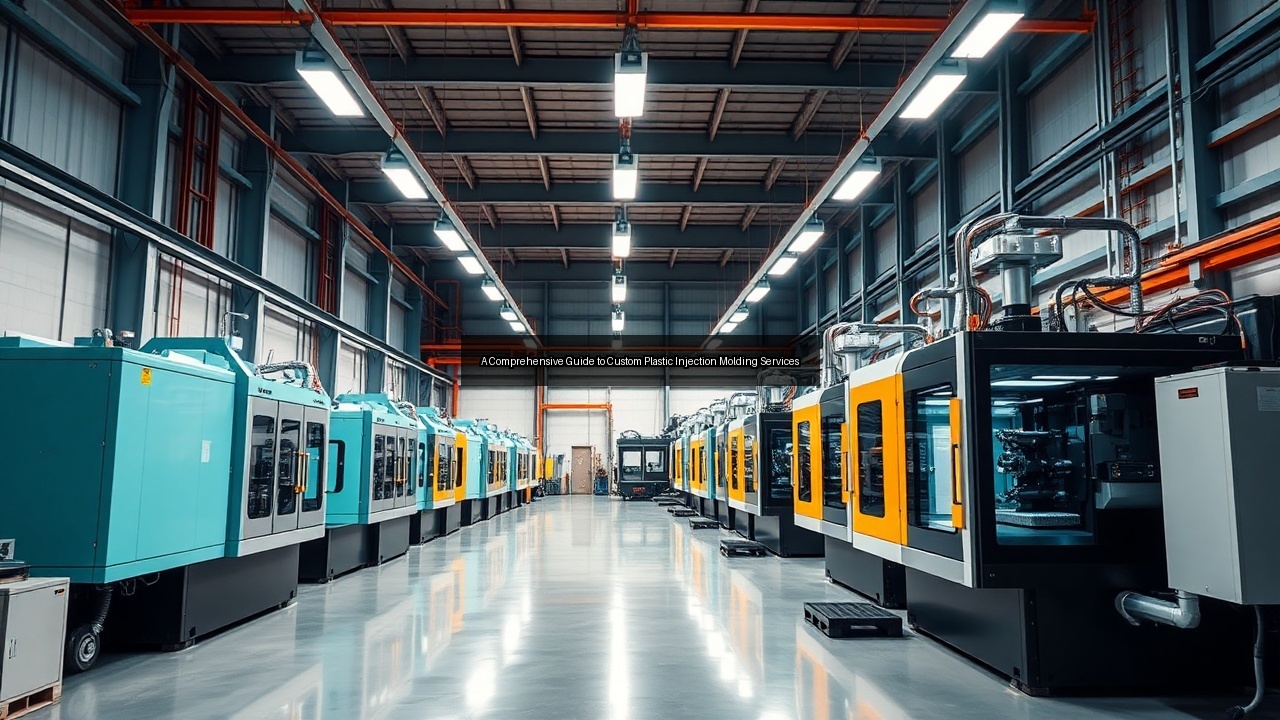
Plastic injection molding is a manufacturing process that creates parts by injecting molten plastic into a mold. This technique allows for the rapid production of complex shapes and high volumes of identical products. An injection mold consists of two halves—a cavity and a core—that come together to form the desired shape. Once the mold is filled with plastic, it cools and hardens, resulting in an injection-molded part that can be removed and used for various applications. This method is widely adopted across industries, from automotive to consumer goods, for its efficiency and versatility. Understanding the fundamentals of plastic injection molding opens up opportunities for businesses looking to leverage custom solutions for their production needs.
Key Benefits of Custom Plastic Injection Molding
Custom plastic injection molding offers numerous advantages that make it a preferred choice for manufacturers. First, it provides precise control over part dimensions and tolerances, ensuring high-quality products that meet strict specifications. Second, this process allows for the use of a wide variety of plastics, enabling manufacturers to select materials that best fit their application’s requirements, whether durability, flexibility, or heat resistance. Additionally, custom molding can significantly reduce waste, as the process optimizes material usage. Finally, it allows for the efficient production of large volumes, which lowers per-unit costs and accelerates delivery times. These benefits position custom plastic injection molding as a crucial component in modern manufacturing strategies.
Overview of the Injection Molding Process
The injection molding process consists of several key stages that contribute to its efficiency and effectiveness. It begins with material selection, where raw plastic pellets are chosen based on the desired characteristics of the final product. The selected plastic is then fed into a hopper and heated in a barrel until it melts. Once melted, the plastic is injected into the mold under high pressure, filling the cavity completely. After a cooling period essential for solidifying the part, the mold opens, and the finished piece is ejected. This process can be automated for high-volume production, making it ideal for industries requiring consistent quality in their products. Understanding this process is vital for companies seeking to partner with a reliable plastic injection molding manufacturer.
Types of Plastic Injection Molding Techniques
Two-Shot Injection Molding Explained
Two-shot injection molding is an advanced technique that allows for the production of complex parts with multiple materials or colors in a single manufacturing cycle. This process involves two separate injection stages, where the first material is injected into the mold, cooled, and then a second material is injected. This technique enables manufacturers to create components with enhanced functionality—such as soft-touch grips combined with rigid structures—without the need for assembly. Two-shot injection molding also reduces production time and costs, streamlining processes and minimizing the risk of defects. By utilizing this innovative approach, businesses can enhance their product offerings and stand out in competitive markets.
Comparing Traditional vs. Two-Shot Injection Molding
Traditional injection molding focuses on a single material and typically requires separate assembly processes for multi-material parts. In contrast, two-shot injection molding streamlines production by integrating multiple materials into one piece. This comparison highlights significant differences in efficiency, cost, and design capabilities. Traditional methods may lead to longer lead times and increased labor costs due to the need for additional assembly. On the other hand, two-shot injection molding offers a more cohesive manufacturing approach, producing ready-to-use parts that often require less finishing work. Businesses looking to innovate should consider the advantages of two-shot techniques when selecting their plastic injection molding manufacturer.
Applications of Different Injection Molding Techniques
Different injection molding techniques cater to diverse applications across various industries. Traditional injection molding excels in producing high-volume, simple parts like containers, automotive components, and household items. best plastic injection molding manufactuer Two-shot injection molding shines in applications requiring multiple materials or colors, such as ergonomic handles, medical devices, and consumer electronics. Other specialized techniques, like gas-assisted injection molding or insert molding, offer unique benefits for specific applications, such as reducing weight or incorporating metal components into plastic parts. Understanding these applications helps manufacturers choose the right processes and materials, ensuring the success of their product development efforts.
Choosing the Right Plastic Injection Molding Manufacturer
What to Look for in a Custom Plastic Injection Molding Company
Choosing the right plastic injection molding manufacturer is crucial for the success of any project. Key factors to consider include the company's experience, technical capabilities, and quality control measures. Look for manufacturers with a proven track record in your specific industry, as they will have insights into compliance standards and material selection. Evaluate their range of services, including design assistance and prototyping, to ensure they can meet your unique needs. Also, inquire about their production capabilities, such as machinery, automation, and lead times. Finally, assess customer reviews and testimonials to gauge their reputation in delivering high-quality, injection-molded products consistently.
Top Plastic Injection Molding Manufacturers: A Review
Several plastic injection molding manufacturers stand out in the industry due to their innovative technologies and commitment to quality. Companies like Nicolet Plastics, for example, have established themselves as leaders by investing in advanced machinery and techniques, ensuring precise and efficient production. Other reputable manufacturers include companies that specialize in niche applications, such as medical devices or automotive parts, highlighting the importance of selecting a partner with relevant expertise. Researching and comparing these manufacturers based on their experience, capabilities, and client feedback can help businesses make informed decisions when selecting a custom plastic injection molding company.
Nicolet Plastics: A Case Study in Quality Manufacturing
Nicolet Plastics exemplifies excellence in the plastic injection molding industry. With decades of experience, they specialize in providing innovative solutions tailored to client specifications. Their commitment to quality is evident in their rigorous quality control processes and adherence to industry standards. Nicolet Plastics utilizes cutting-edge technology, including two-shot injection molding, to produce complex parts efficiently. Their focus on customer service and collaboration ensures that clients receive not only high-quality products but also valuable insights throughout the production process. As a case study, Nicolet Plastics highlights the importance of choosing a reliable plastic injection molding manufacturer that prioritizes quality and innovation.
The Future of Plastic Injection Molding
Innovations in Injection Molding Technology
The future of plastic injection molding lies in continuous innovation. Advancements in materials, such as biodegradable plastics and reinforced composites, expand the possibilities for product development. Emerging technologies, like 3D printing integration with injection molding, allow for rapid prototyping and customization, enhancing the design process. Automation and robotics are also becoming integral in molding operations, increasing efficiency and reducing labor costs. Staying abreast of these innovations enables manufacturers to improve their competitive edge and meet evolving market demands.
Sustainability in Plastic Manufacturing
Sustainability plays a vital role in shaping the future of plastic injection molding. Manufacturers increasingly focus on eco-friendly materials and processes, addressing the growing consumer demand for environmentally responsible products. Techniques such as recycling post-consumer plastics and utilizing energy-efficient machinery contribute to reducing the industry's carbon footprint. Companies that adopt sustainable practices not only comply with regulations but also enhance their brand reputation and attract environmentally conscious consumers. As sustainability becomes a priority, manufacturers must adapt to these changes and incorporate environmentally friendly practices into their production processes.
Trends Shaping the Plastic Injection Molding Industry
Several trends are influencing the plastic injection molding industry, driving its evolution. The demand for lightweight, durable materials is rising, especially in automotive and aerospace sectors where energy efficiency is crucial. Additionally, the push for custom, personalized products is prompting manufacturers to explore more flexible production methods, including on-demand manufacturing. The integration of smart technology into production lines, such as IoT devices for real-time monitoring, enhances efficiency and reduces downtime. These trends signal a dynamic future for plastic injection molding, where adaptability and innovation will define success in the industry.